

Restoring Hopes. Rebuilding Lives.
Supporting individuals experiencing homelessness with essential services, care, and path toward stability.
ABOUT US
“Our mission is to provide outreach and supportive services to individuals and families experiencing homelessness.”
Vision
Reduce Bay Area homelessness by 30% within 10 years. Create a “safe-haven’ for individuals experiencing homelessness through the provision of a drop-in structure for showers, mailboxes and in-person supportive services. Establish trust amongst individuals experiencing homelessness through outreach and administration of hygiene kits, food, water, blankets, beanies, socks and additional supportive services

Why We Do What We Do
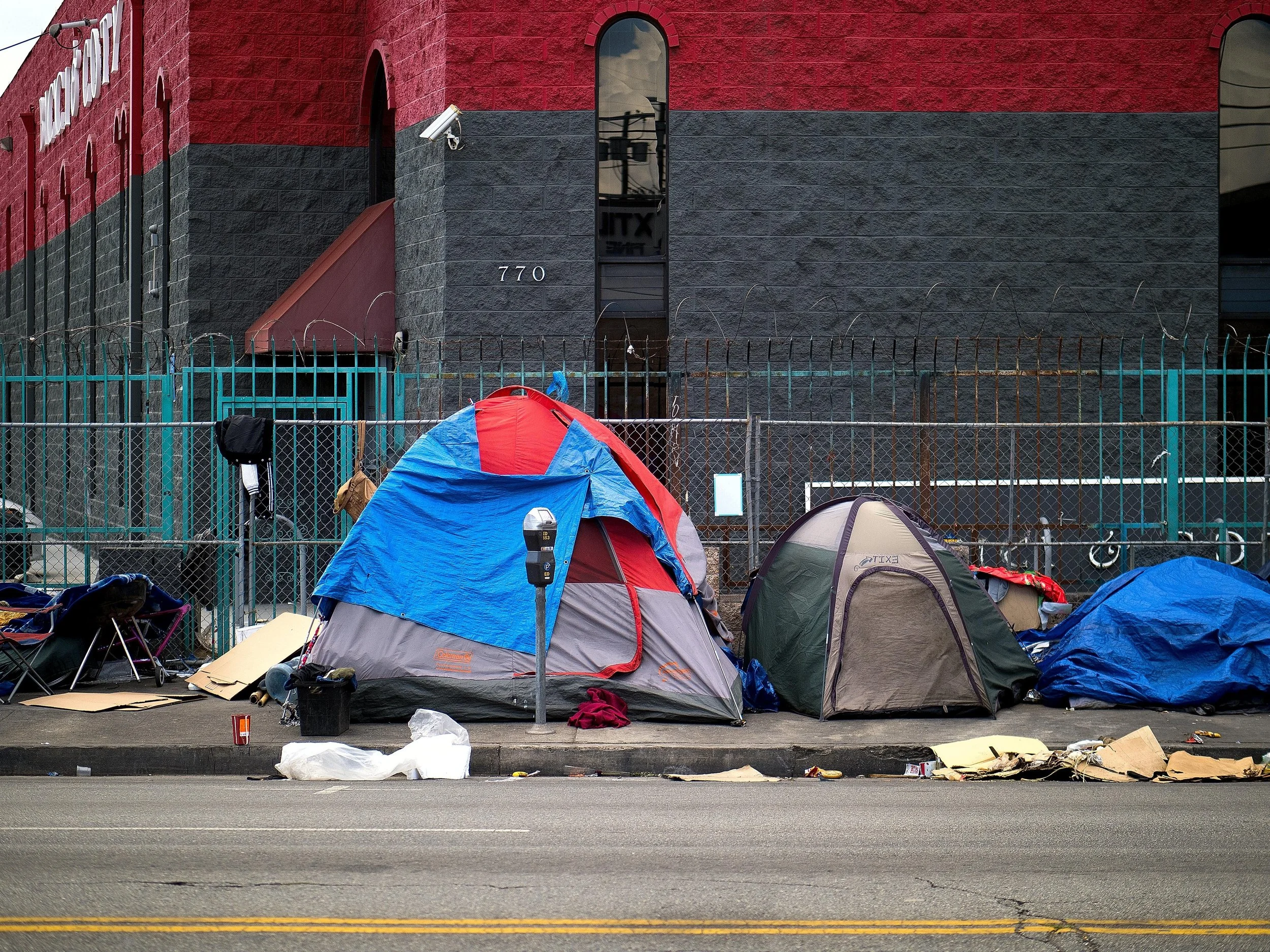
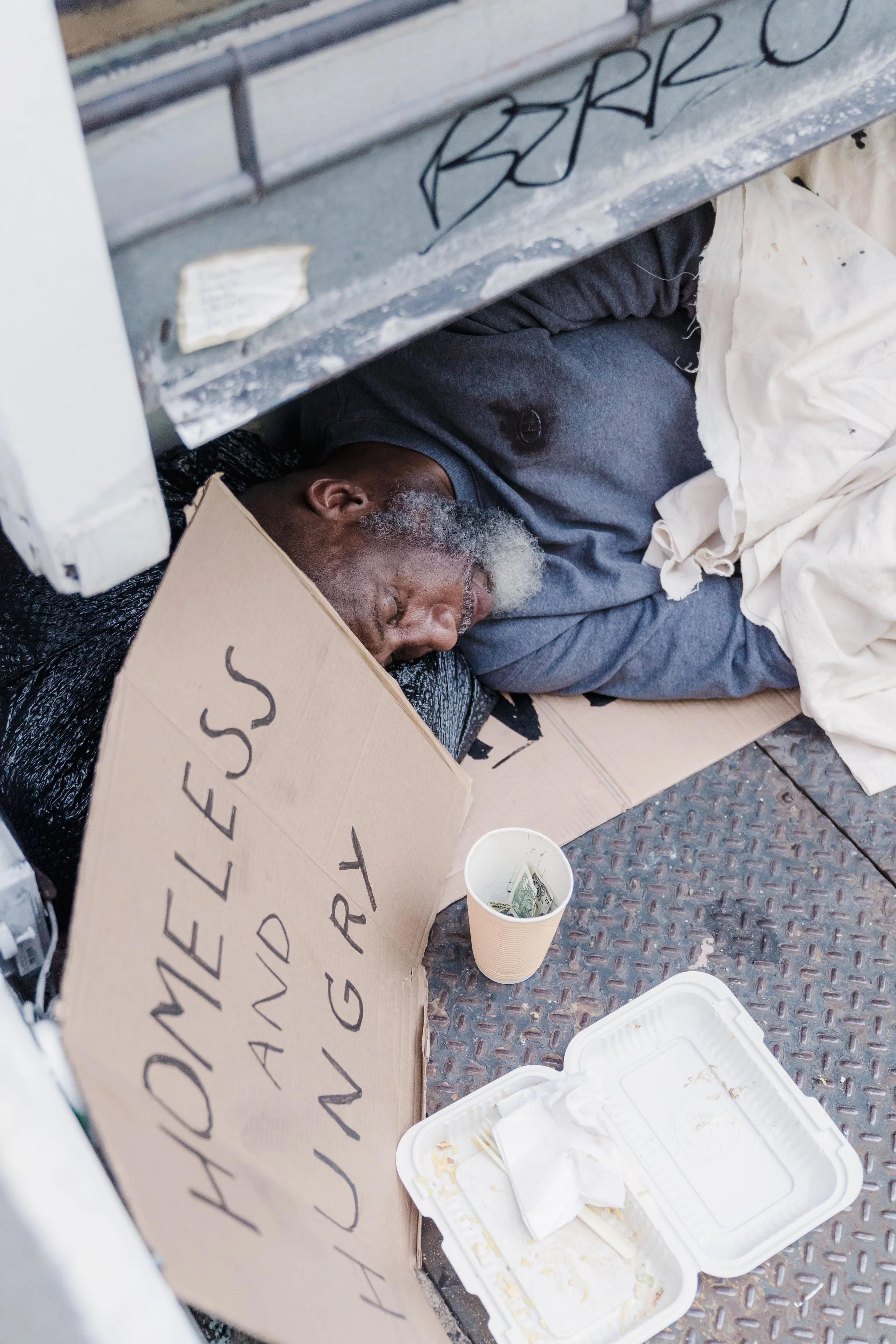
It’s no secret that homelessness is an ongoing and pervasive epidemic, that in some areas, seems to only get worse. Based on geography, homelessness takes on a different face, with different dynamics and different resources for intervention. Sadly, mainstream communities often misunderstand the reasons why individuals are homeless. Below describes in detail why we do what we do.
-
![]()
Housing
A lack of affordable housing and the limited scale of housing assistance programs have contributed to the current housing crisis and to homelessness. Recently, foreclosures have also increased the number of people who experience homelessness.
-
![]()
Poverty
Homelessness and poverty are inextricably linked. Poor people are frequently unable to pay for housing, food, childcare, health care, and education. Difficult choices must be made when limited resources cover only some of these necessities. Often it is housing, which absorbs a high proportion of income that must be dropped. If you are poor, you are essentially an illness, an accident, or a paycheck away from living on the streets.
Lack of Employment Opportunities – With unemployment rates remaining high, jobs are hard to find in the current economy. Even if people can find work, this does not automatically provide an escape from poverty.
Decline in Available Public Assistance – The declining value and availability of public assistance is another source of increasing poverty and homelessness and many families leaving welfare struggle to get medical care, food, and housing as a result of loss of benefits, low wages, and unstable employment. Additionally, most states have not replaced the old welfare system with an alternative that enables families and individuals to obtain above-poverty employment and to sustain themselves when work is not available or possible.
-
![]()
Other major factors, which can contribute to homelessness, include:
Lack of Affordable Health Care – For families and individuals struggling to pay the rent, a serious illness or disability can start a downward spiral into homelessness, beginning with a lost job, depletion of savings to pay for care, and eventual eviction.
Domestic Violence – Battered women who live in poverty are often forced to choose between abusive relationships and homelessness. In addition, 50% of the cities surveyed by the U.S. Conference of Mayors identified domestic violence as a primary cause of homelessness (U.S. Conference of Mayors, 2022).
Mental Illness – Approximately 16% of the single adult homeless population suffers from some form of severe and persistent mental illness (U.S. Conference of Mayors, 2021).
Addiction – The relationship between addiction and homelessness is complex and controversial. Many people who are addicted to alcohol and drugs never become homeless, but people who are poor and addicted are clearly at increased risk of homelessness.

Who We Serve
BBF takes the proceeding into consideration, while mixing a combination of interventions strategies to serve the following populations:
Chronic Homelessness
Persons most like the stereotyped profile of the “skid-row” homeless, who are likely to be entrenched in the shelter system and for whom shelters are more like long-term housing rather than an emergency arrangement. These individuals are likely to be older, and consist of the “hard-core unemployed”, often suffering from disabilities and substance abuse problems. Yet such persons represent a far smaller proportion of the population compared to the transitionally homeless.
Transitional Homelessness
Transitionally homeless individuals generally enter the shelter system for only one stay and for a short period. Such persons are likely to be younger, are probably recent members of the precariously housed population and have become homeless because of some catastrophic event, and have been forced to spend a short time in a homeless shelter before making a transition into more stable housing. Over time, transitionally homeless individuals will account for the majority of persons experiencing homelessness given their higher rate of turnover.
Episodic Homelessness
Those who frequently shuttle in and out of homelessness are known as episodically homeless. They are most likely to be young, but unlike those in transitional homelessness, episodically homeless individuals often are chronically unemployed and experience medical, mental health, and substance abuse problems.
Contact Us
Fill out the form below and we’ll get back to you as soon as possible